












RELOG UNIQUE FEATURES
Reactivity
Fastest algorithm on the market that routes 2000 orders in 4 minutes
Absolute flexibility
10 goal-specific algorithms that take into account more than 40 delivery parameters
Map services
Multitude of available maps and geocoders
Unique Analytics
Powerful and comprehensive Relog BI analytics dashboards will reveal every aspect of your delivery business
User Intuitive Experience and Interface
User friendly Experience and Interface
WE ARE BEST FIT FOR:
Distribution companies (FMCG, building materials, etc.)
Bakeries
Furniture companies
Urban and Suburban Last Mile delivery services
Water delivery services
Pharmaceutical Distributors
Online Stores (E-commerce)
Distributors of building materials
Less than five cars
Less than 30 deliveries per day
Express food delivery ( pizza and sushi)
Intercity deliveries
On Foot and Bike couriers
Taxi services
Relog Modules
Dispatcher's Workplace

Dispatcher's Workplace designed to manage all logistics, no matter how complex it may be, it monitors drivers’ movement, tracks changes in the orders’ status in real time. System automatically plans the routes and optimally loads your fleet taking into account 40+ parametres.
Orders management
Monitors drivers’ performance in real time.
Plans optimized routes of delivery
Comprehensive analytics and KPIs for drivers
Relog driver

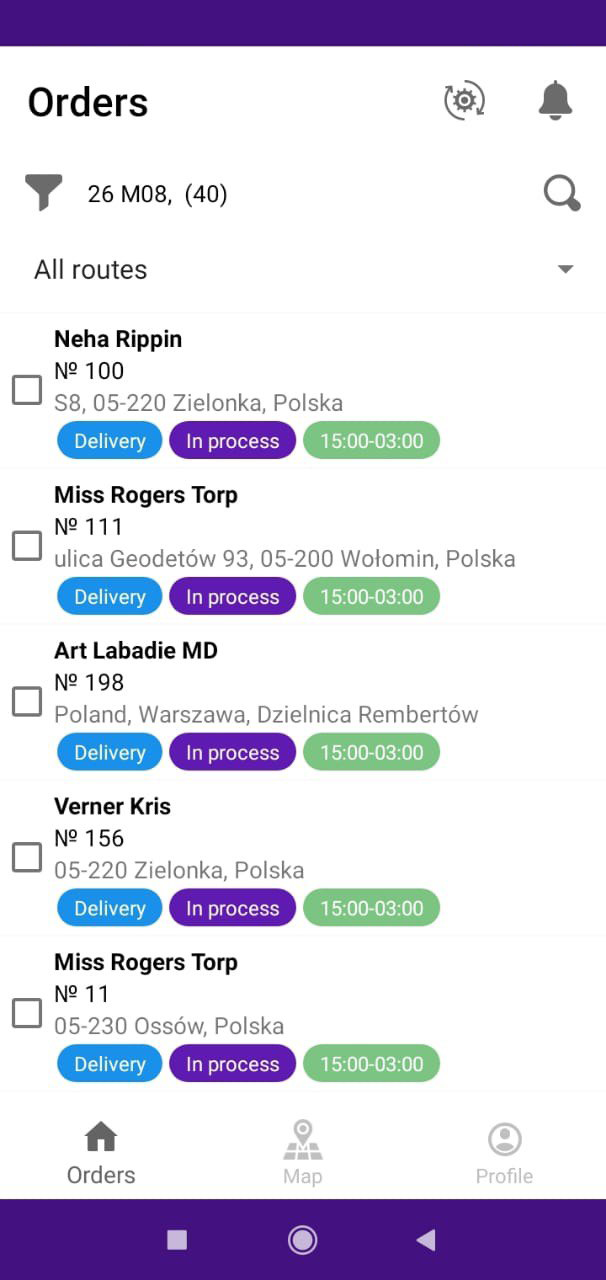


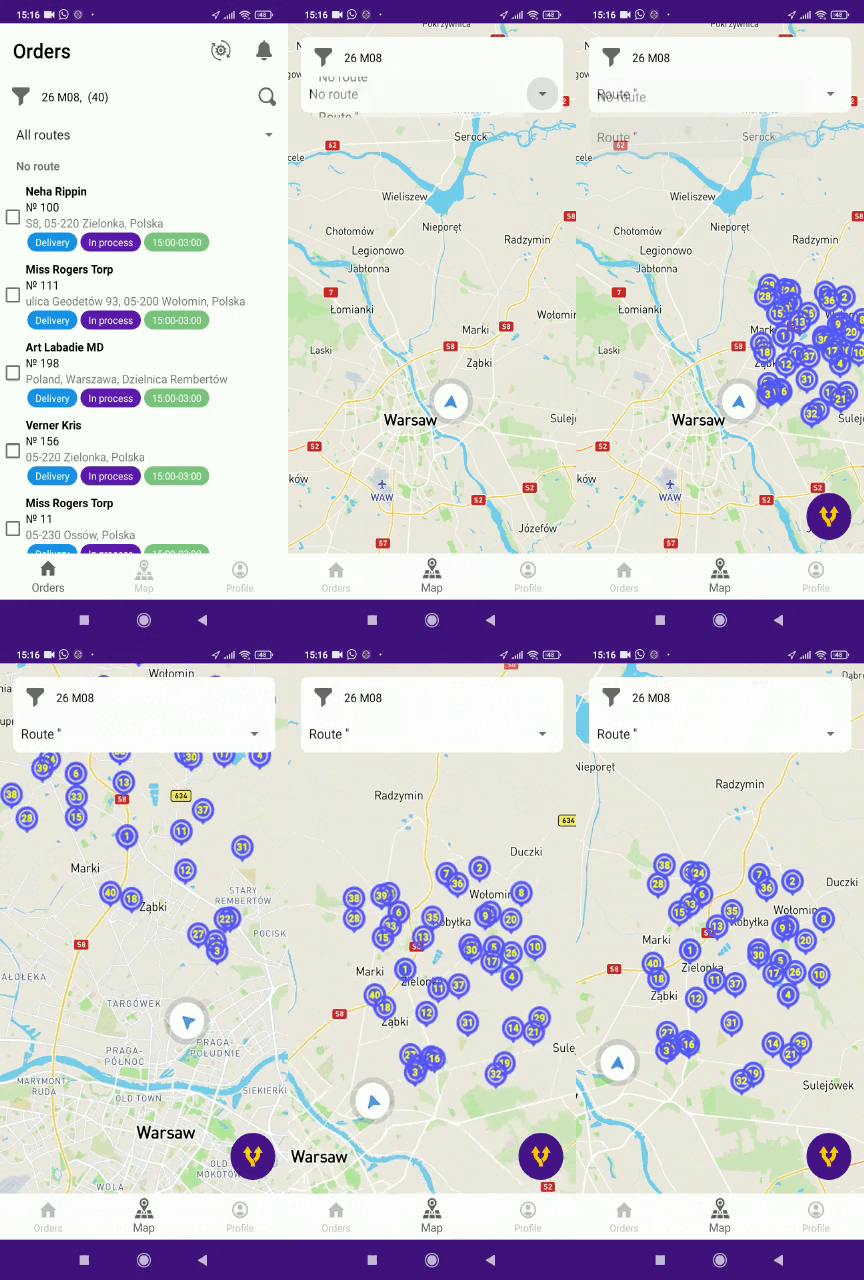
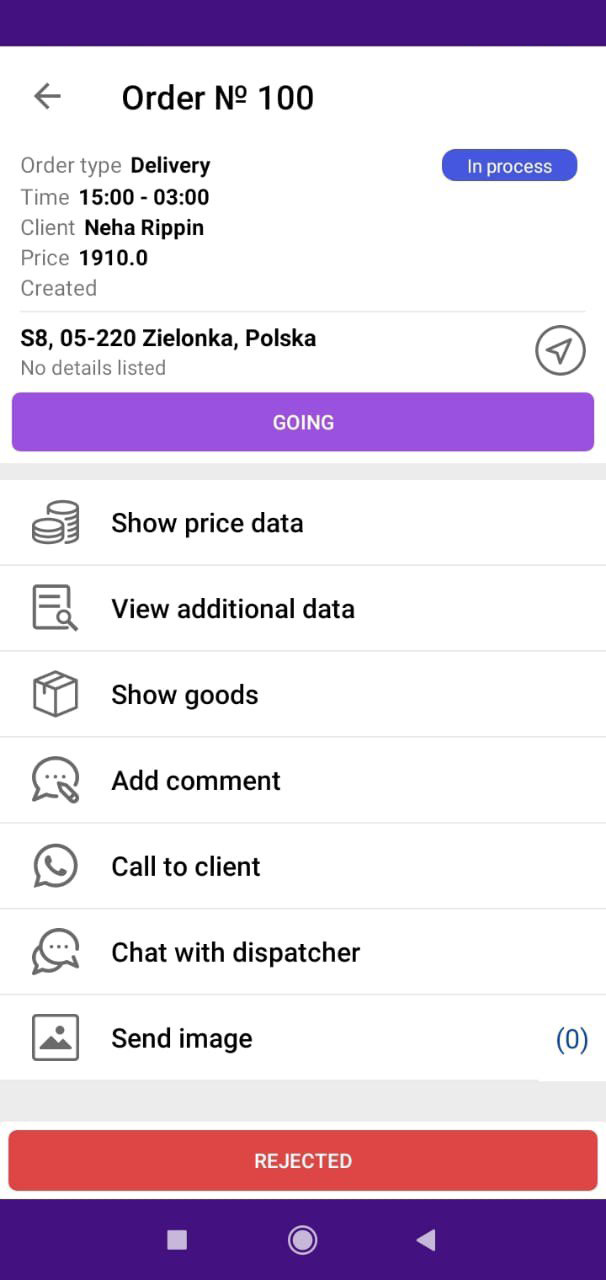
Relog Driver mobile app is a convenient and functional tool designed for drivers. Allows follow routes and manage the orders. Driver can see map, list of orders, stop sequences, status of orders, customer feedback, proof of delivery with customer reviews and photo and signature capture. This app provides analytics and drivers KPI monitoring. Each driver can see how much has he earned at the moment.
Planned Route schedule and sequence
Drivers rating
In-app phone calls
Analytics and calculation of salary bonuses


Additional services for customers and partners
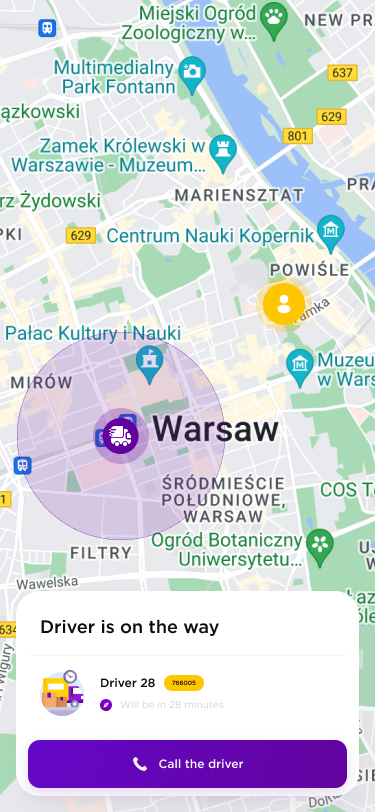
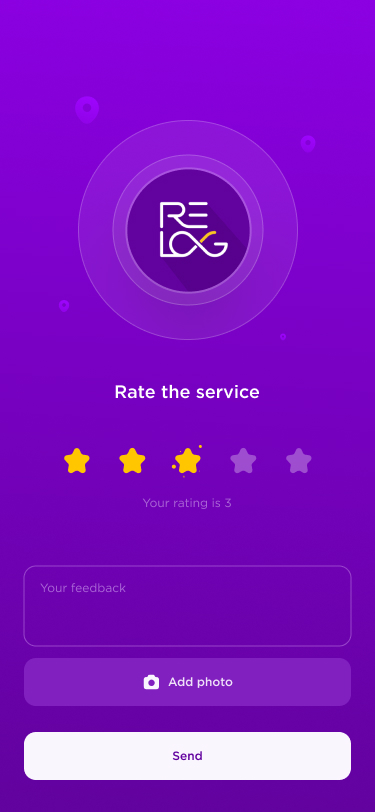
Customers can rate your delivery services, leave feedback and track their shipment’s delivery online.
Text Message( SMS) and E-mail notifications
Personal user accounts and roles (partners , employees, departments).
Customers feedback
Additional services
Relog bi analytics
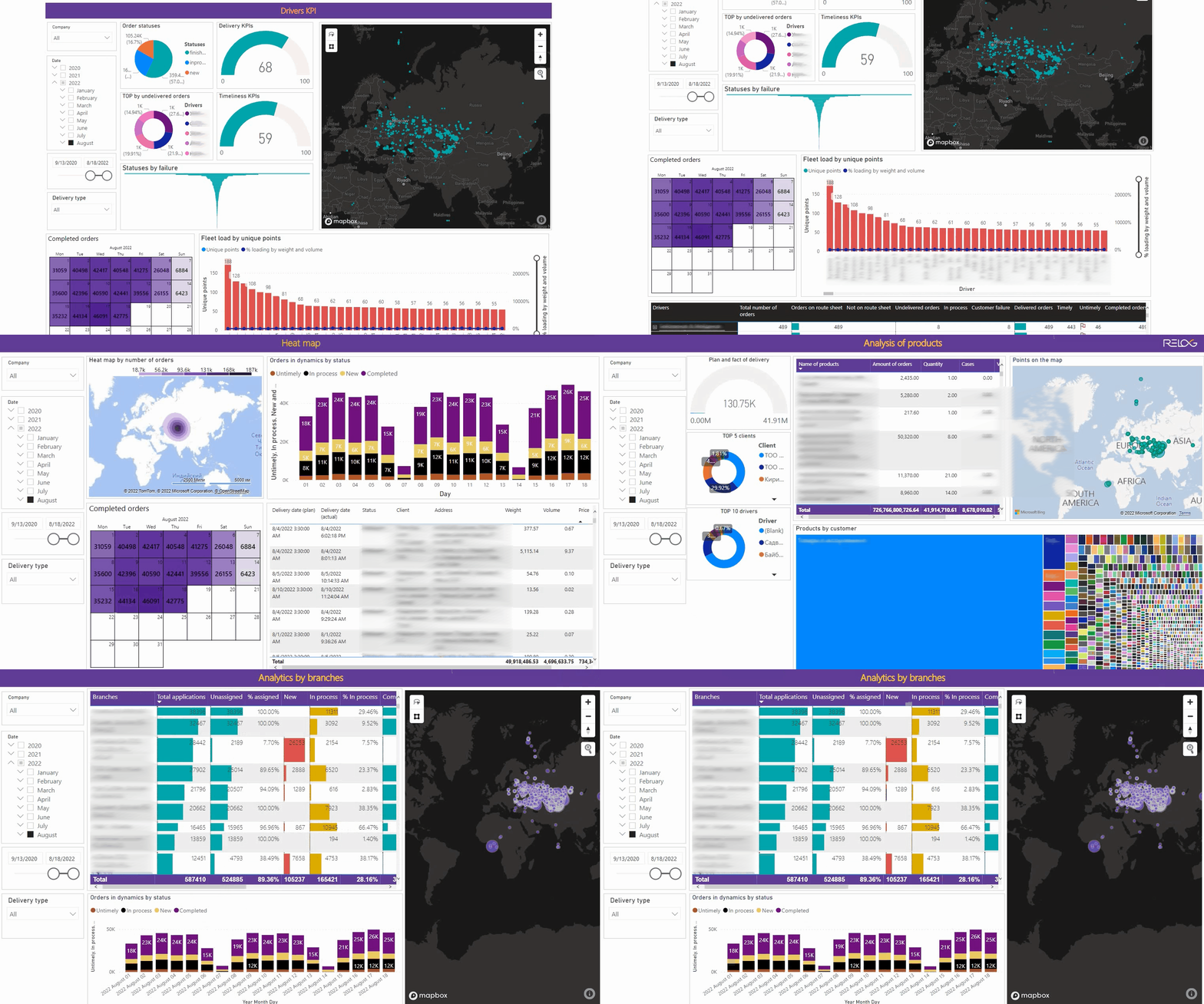
This web service provides Top-tier management with very detailed and in-depth analytical reports. Which allow tracking negative and positive trends and geographic characteristics of delivery, simulate the outcome of various options for action, and track the results of decision-making.
Delivery report (with maps and delivery details)
Detailed report on rejections and returns
Heat map orders report
Detailed report of drivers’ delivery efficiency, calculation of KPI
Relog manager
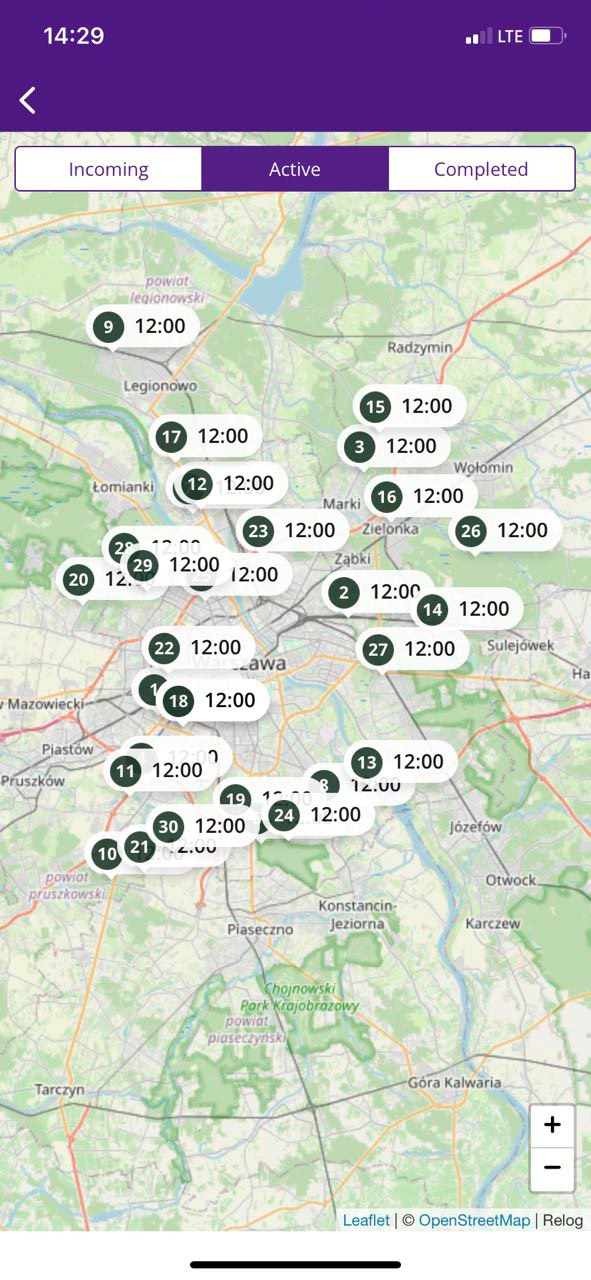

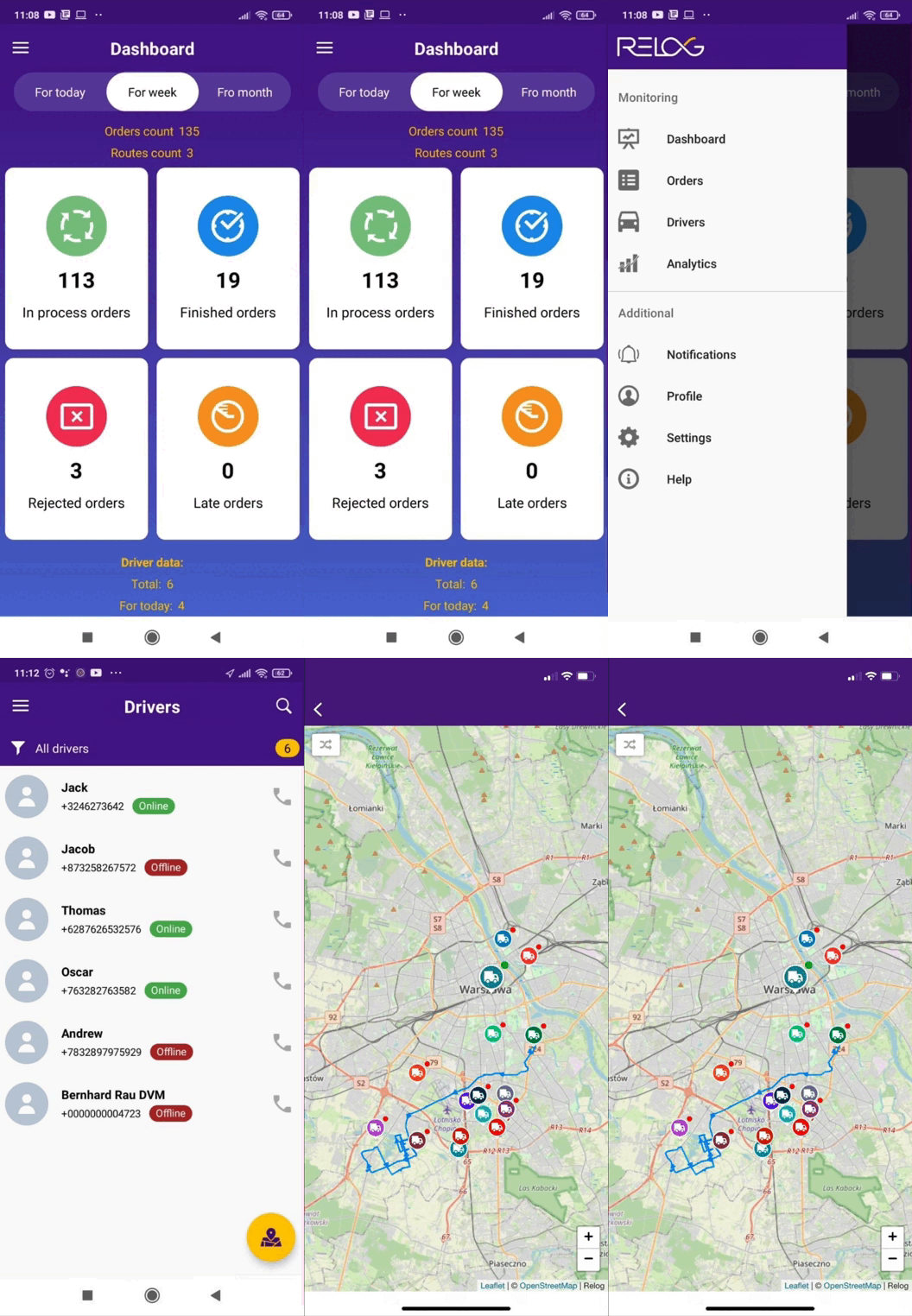
The intuitive dashboard of Relog Manager mobile app allows Top-tier Management to see statistics on the main logistics indicators in the context of the selected time: day, week, and month. These parameters can be viewed both for the entire fleet and for each specific driver.
View the number of orders rejected
Track order statuses (new orders, orders being delivered, completed)
Track number of late orders
Monitor drivers location and key actions in real time
up to 30%
Reduction in transportation costs
up to 95%
Improvement in customer satisfaction index
100%
Online drivers monitoring
2000 orders
Are route-planned in less than 4 minutes
50 +
delivery metrics that you can control
7X
Number of late deliveries reduction
Core Features

Technologies
Use the most up-to-date maps. Easily expand the geography of your business

Simplicity
A simple and user-friendly interface that allows you to instantly and effortlessly automate logistics

Rates
Choose your rate. Flexible pricing. Suitable for any business

Quick and easy start
The implementation/integration procedure is minimized - just register and start working

Reliability
All your data is stored on servers in a reliable data center, backup is carried out every day

Mobility
You don't have to be in your office to keep up with how your business is doing

Trial period
Evaluate the work with the service for free within 7 days

Updates
New updates and releases are available and installed automatically free of charge

Support Team
Feel free to contact our support team with questions and requests. They are eager and ready to assist you!

Cloud storage
Does not require purchase physical storage and installation . Compatible with any ERP / CRM system

Transparency and control
Eliminates dependence on staff. No special skills are required to work in the service

Driver’s and Courier’s app
Allows to see orders, set statuses, make a call to the client.

Analytics
Range of reports that will provide different angles analysis of the set activities of the organization

SMS and E-mail notifications
We carry out both mass e-mail and Text Message (SMS) mailing, as well as customized and individual messages

CTI (IP) telephony integration
The ability to connect an Android phone, office PBX to the program, dial a client's number directly from the program

Integration
Relog is integration compatible with any software services. Which allows cutting installation and training costs
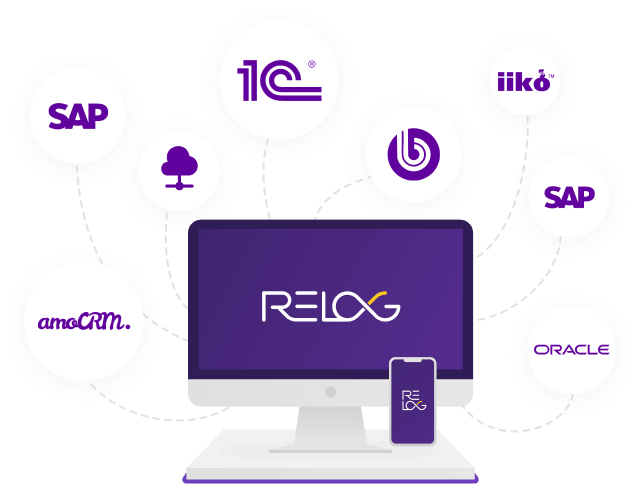
Integration with Relog
Relog easily integrates with existing systems (CRM, "1C", ERP), with gadgets of couriers and drivers. Integration will not disrupt your current business processes, optimize logistics and allow you to quickly solve everyday tasks to increase the efficiency of the company and provide impeccable customer service
Go to the API Portal

FAQ
A TMS (Transportation Management System) is software for managing transport and automating logistics. The system takes over the key delivery tasks: route planning, distributing orders between drivers, monitoring delivery execution and analytics for every trip.
When choosing a TMS, check four key areas:
Functionality. The system should automatically build routes, distribute orders between drivers, offer a mobile app for drivers, tracking for customers and analytics on key metrics.
Technical parameters. A cloud solution accessible from a browser, native mobile apps for iOS and Android, and an open API for integration with your CRM or ERP.
Commercial terms. Transparent pricing, a trial period on your real data, team training and technical support with a fixed SLA.
Vendor experience. Ask for case studies of companies of your size and industry. Find out how often updates are released and how the vendor supports customers after implementation.
Logistics automation helps a business grow through:
- Cutting delivery costs by up to 25%
- Scaling volumes without hiring proportionally more staff
- Improving customer service and loyalty
- Making decisions based on data, not intuition
Last-mile automation reduces route costs, eliminates manual dispatcher work and improves service quality: the customer gets tracking and notifications, while the manager gets real data to run the operation.
Integration with 1C, CRM or ERP systems is an important stage of TMS implementation. How the integration process works:
- Defining requirements and integration architecture
- Setting up integration points
- Testing and debugging
- Deployment and staff training
- Monitoring and support
